
Transformer Knowledge Base & Technical Insights — Kokila Electricals


Blog
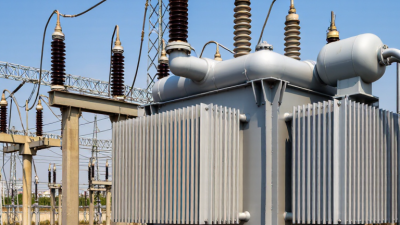
Why Choose High Voltage Power Transformers?
Why Choose High Voltage Power Transformers?
Electricity rarely travels from a generating station to a city in a straight, simple path. It crosses long transmission lines, substations, industrial yards, and crowded distribution networks. At each stage, high voltage power transformers help raise or reduce voltage safely and efficiently. Their purpose is practical: move large amounts of energy while limiting current and reducing transmission losses.
John J. Winders Jr., a respected transformer-engineering author, writes, “The transformer is one of the most efficient electrical machines ever developed.” That efficiency explains their central role in modern grids. A well-designed transformer can support heavy industrial loads, stabilize voltage, and operate for decades with proper maintenance. Its conservator tank, bushings, cooling radiators, and insulating oil all perform important duties. Small details matter.
Reliability is not automatic.
Engineers still examine thermal aging, moisture, partial discharge, short-circuit strength, and installation conditions before selecting equipment. A transformer that performs well in a laboratory may face dust, salt air, vibration, or sudden load changes in service. This is where field experience becomes valuable. Monitoring oil temperature and dissolved gases can reveal developing faults before a loud failure occurs.
There is no universal transformer for every project. Capacity, voltage class, climate, efficiency targets, safety requirements, and budget must be evaluated together. Choosing high voltage power transformers is therefore less about buying the largest unit. It is about matching proven engineering with real operating conditions, while admitting that even excellent designs require inspection, testing, and thoughtful maintenance.
Read more »
 By:Isla
- October 13, 2026
By:Isla
- October 13, 2026
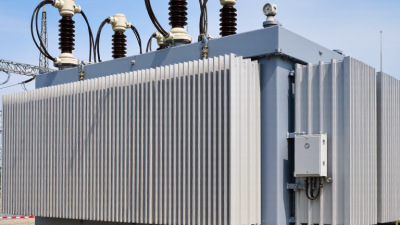
7 Tips for Choosing Oil Immersed Power Transformers
Choosing the right transformer affects safety, efficiency, maintenance costs, and long-term power reliability. Oil immersed power transformers often operate quietly, yet their performance shapes an entire electrical system. A poor match may cause overheating, unnecessary losses, voltage instability, or expensive downtime. That mistake can remain hidden for months.
The selection process requires more than comparing rated capacity and purchase prices. Engineers should examine load patterns, ambient temperature, altitude, installation space, cooling methods, insulation levels, and future expansion plans. Field experience shows that a transformer rated for today’s demand may become unsuitable after one production line is added. Small details matter. Oil temperature, bushing condition, noise levels, and protection settings can influence daily operation. Manufacturer test reports and maintenance records also provide valuable evidence before approval.
These seven practical tips focus on the decisions that deserve careful attention. They cover capacity calculations, efficiency, insulation performance, cooling arrangements, safety features, installation conditions, and service support. Each point connects technical specifications with real operating conditions. Where manufacturer data appears incomplete, ask direct questions and request verified documentation. Do not assume.
A careful review should include qualified electrical professionals and independent checks when project risks are high. Standards and local requirements must guide the final design, but paperwork alone cannot reveal every site problem. Some assumptions will be wrong. Recognizing that early is part of responsible engineering. Use this guide to compare options clearly, identify hidden weaknesses, and choose an oil immersed transformer that can deliver dependable service for years.
Read more »
By:Isla
- October 8, 2026
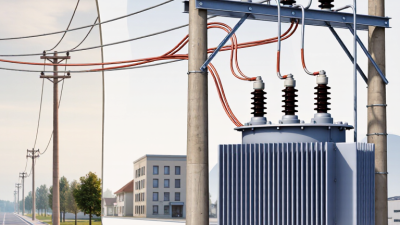
What Is a Step Down Distribution Transformer?
As electricity demand grows, the quiet equipment beside streets and factories becomes increasingly important. A step down distribution transformer reduces medium-voltage electricity to safer, usable levels for homes, offices, and industrial equipment. Typical examples include 11 kV-to-400 V systems, although ratings vary by country, network design, and customer load.
The principle is straightforward. A higher-voltage winding transfers energy magnetically to a lower-voltage winding. This change supports efficient transmission while making final distribution practical. Inside the tank, laminated steel cores, copper or aluminum windings, insulation, and transformer oil may work continuously for decades. You can often hear a steady hum near a pole-mounted unit. That sound reflects normal magnetostriction, but unusual noise may signal mechanical or electrical stress.
The International Energy Agency’s Electricity 2024 report states that annual global grid investment must rise above USD 600 billion by 2030 to support growing demand and clean-energy integration. Distribution assets are part of that challenge. The U.S. Department of Energy’s 2024 transformer supply-chain review also describes distribution transformers as essential grid components and highlights aging equipment, manufacturing limits, and longer procurement periods. These findings make step down distribution transformers more than simple voltage converters. They are reliability assets.
Still, efficiency figures require careful interpretation. A transformer with low no-load losses may perform differently under changing demand. Installation temperature, harmonics, loading, maintenance, and local standards all matter. This guide explains their construction, operating principle, ratings, applications, and selection criteria. It also questions common assumptions, because the “best” transformer is rarely determined by purchase price alone.
Read more »
By:Isla
- October 3, 2026
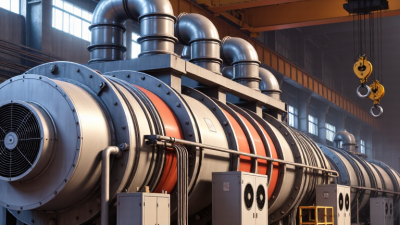
Top Electric Arc Furnace Transformer Manufacturers Worldwide
Electric arc furnace transformers sit at the center of a demanding industrial process. They convert grid power into the high-current supply needed to melt scrap steel, often through repeated heat cycles and sudden load changes. Inside a steel mill, the equipment must endure vibration, dust, intense heat, and electrical stress. Reliability is not an abstract feature. It can affect furnace uptime, product consistency, and maintenance costs.
Lord Kelvin, a foundational electrical-engineering authority, is often quoted as saying, “When you can measure what you are speaking about, and express it in numbers, you know something about it.” That principle matters when comparing electric arc furnace transformers. Buyers should look beyond nameplate ratings and examine short-circuit impedance, cooling design, tap-changer performance, protection systems, and service support. A specification sheet helps. It does not tell the whole story.
This guide surveys leading manufacturers worldwide and the capabilities they bring to demanding furnace applications. It considers engineering depth, customization, manufacturing reach, and lifecycle support—not just brand visibility. Actual performance depends on the furnace, operating profile, installation, and maintenance practices. Rankings can also shift by region and project scope; that deserves a careful look. The strongest choice is therefore not automatically the largest supplier. It is the manufacturer whose design, evidence, and local support fit the mill’s real operating conditions.
Read more »
By:Isla
- September 28, 2026
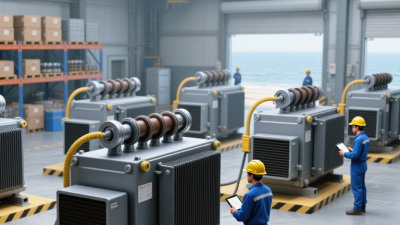
2026 Best LST Transformers for Global Buyers?
Choosing the best LST transformers for global buyers in 2026 requires more than comparing catalog prices. Specifications, certification, operating conditions, and supplier support can change the real purchase value. In this guide, LST transformers refers to a product category whose exact design may vary between manufacturers. That detail matters.
A reliable evaluation begins with the installation environment. A transformer serving a humid coastal facility may need stronger corrosion protection than one installed in a dry inland warehouse. Buyers should review rated power, voltage ratio, frequency, cooling method, insulation class, noise level, efficiency, and temperature-rise data. Clear test reports based on recognized IEC or IEEE requirements can strengthen confidence. Factory inspection records and traceable serial numbers help too.
Do not trust polished brochures alone. Ask for routine-test results, type-test evidence, warranty terms, spare-part availability, and documented after-sales response times. Freight dimensions also deserve attention; a transformer that cannot pass through the site entrance creates an expensive surprise. Supplier experience with export packaging and local grid requirements may reduce delays.
There is no universal winner. A lower-cost model may perform well, but only under suitable loads and maintenance conditions. Some published efficiency figures may not reflect your actual duty cycle. That is worth questioning. Our comparison approach combines technical evidence, supplier credibility, field practicality, and total ownership cost, helping international buyers make a more balanced decision in 2026.
Read more »
 By:Lila
- September 23, 2026
By:Lila
- September 23, 2026
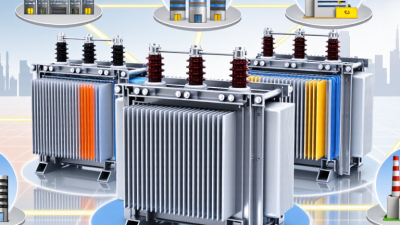
How to Choose the Best Dry Type Transformers in 2026?
Choosing the best dry type transformers in 2026 requires more than comparing kVA ratings and purchase prices. Electrical demand is changing quickly. The International Energy Agency’s Electricity 2024 report forecasts global electricity demand will grow by about 4% annually through 2026. This growth increases pressure on commercial buildings, data centers, factories, and renewable energy facilities.
Reliability starts with the application. Engineers should verify primary and secondary voltages, load diversity, ambient temperature, altitude, short-circuit strength, and expected harmonics. A transformer serving variable-frequency drives may need stronger harmonic performance than one supplying office lighting. IEC 60076-11 provides the core international requirements for dry-type power transformers, including insulation and thermal considerations. Regional rules, such as energy-efficiency requirements from the U.S. Department of Energy, can also affect the final specification.
Small details matter. A compact plant-room unit may need a lower sound level and a suitable enclosure rating. A rooftop installation may require protection against moisture, dust, and temperature swings. Resin-encapsulated designs can offer valuable environmental protection, but they are not automatically the best choice for every project. No single model wins every site. That is easy to forget.
The selection process should balance efficiency, fire safety, lifecycle cost, service access, and supplier support. Manufacturer test reports, factory quality records, and independent certification deserve close review. A low purchase price can become expensive through higher no-load losses, difficult maintenance, or poor spare-parts availability. This guide examines the technical evidence and practical trade-offs behind choosing dry type transformers for modern power systems. Some assumptions may need revision as grid conditions and efficiency standards continue to change.
Read more »
 By:Sophia
- September 18, 2026
By:Sophia
- September 18, 2026
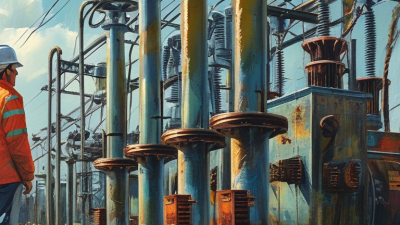
Why Choose Oil Filled Power Transformers for Your Energy Needs?
In today's fluctuating energy landscape, businesses must make informed decisions. One crucial choice is the type of power transformer to use. Oil filled power transformers are a popular option for various reasons. According to Dr. John Smith, an expert in electrical engineering, "Oil filled transformers ensure stable performance and enhance the reliability of power distribution."
These transformers use insulating oil for cooling and insulation. This design provides superior thermal management compared to other types. They are robust and can handle heavy loads. This reliability makes them ideal for industrial applications. However, there are challenges. The maintenance of oil filled transformers can be complex. Leaks and environmental concerns are also critical issues.
Despite these drawbacks, the benefits often outweigh the negatives. Oil filled power transformers have a proven track record. Their efficiency can lead to cost savings over time. Investing in high-quality transformers is paramount for long-term energy needs. The industry must continue to evolve while addressing the challenges ahead.
Read more »
By:Sophia
- August 22, 2026

What is an Electrical Distribution Transformer and Its Purpose?
Electrical distribution transformers play a crucial role in the modern power grid. According to Dr. Emily Rivera, a leading expert in electrical engineering, “These transformers are essential for delivering electricity safely to homes and businesses.” Their primary function is to lower the voltage of electricity from transmission levels to distribution levels that are usable by consumers.
The design of electrical distribution transformers ensures reliability and efficiency. They reduce high voltages, which protects users and equipment. However, there are challenges in maintaining their performance. Aging infrastructure and inadequate maintenance can lead to failures. The consequences of such failures may disrupt power supply, impacting daily life.
In an era of renewable energy, the demand for efficient electrical distribution transformers is growing. They must adapt to diverse power sources, including solar and wind. Industry experts continue to innovate in transformer technology. Yet, questions remain about sustainability and the future of electrical distribution.
Read more »
By:Sophia
- August 22, 2026
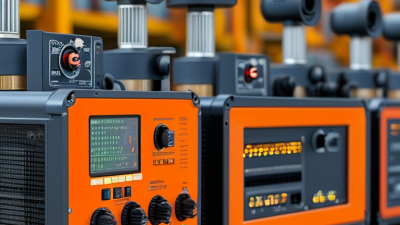
Top 10 Industrial Furnace Transformers for Global Buyers?
As industries evolve, the demand for effective and reliable industrial furnace transformers continues to grow. According to Dr. Emily Carter, a leading expert in electrical engineering, "The right transformer can significantly enhance the efficiency of industrial processes." Understanding this, global buyers must explore the top options available in the market.
Industrial furnace transformers are crucial for ensuring optimal performance in high-temperature applications. They convert electricity into the required voltage levels for industrial furnaces, affecting energy consumption and productivity. In recent years, the market has seen innovations that enhance energy efficiency, but not all transformers are created equal. Buyers should consider specifications, durability, and efficiency ratings when making choices.
While examining various industrial furnace transformers, some options may appear superior on paper but fall short in real-world applications. It’s vital to evaluate not just the technical data but also the reputation of manufacturers. Engaging with experts and reading user reviews can provide valuable insights. After all, investing in the right transformer is pivotal for achieving high-performance standards in industrial settings.
Read more »
By:Sophia
- August 22, 2026