Transformer Knowledge Base & Technical Insights — Kokila Electricals

Technical Blog

Transformer Insights & Engineering Articles

Discover technical articles, maintenance practices, and design innovations across power, distribution, furnace, and dry type transformers.

Industrial Furnace Transformer by Kokila Electricals
Industry Knowledge

Distribution & Power Transformer Solutions

Comprehensive guides on transformer selection, energy efficiency standards, and industrial grid deployment.

Electrical Distribution Transformer by Kokila Electricals
30+ Years Expertise

High Voltage & Dry Type Transformer Insights

Learn more about electrical safety, maintenance routines, and custom engineering applications.

Oil Filled Power Transformer by Kokila Electricals
0%

Choosing the right transformer affects safety, efficiency, maintenance costs, and long-term power reliability. Oil immersed power transformers often operate quietly, yet their performance shapes an entire electrical system. A poor match may cause overheating, unnecessary losses, voltage instability, or expensive downtime. That mistake can remain hidden for months.

The selection process requires more than comparing rated capacity and purchase prices. Engineers should examine load patterns, ambient temperature, altitude, installation space, cooling methods, insulation levels, and future expansion plans. Field experience shows that a transformer rated for today’s demand may become unsuitable after one production line is added. Small details matter. Oil temperature, bushing condition, noise levels, and protection settings can influence daily operation. Manufacturer test reports and maintenance records also provide valuable evidence before approval.

These seven practical tips focus on the decisions that deserve careful attention. They cover capacity calculations, efficiency, insulation performance, cooling arrangements, safety features, installation conditions, and service support. Each point connects technical specifications with real operating conditions. Where manufacturer data appears incomplete, ask direct questions and request verified documentation. Do not assume.

A careful review should include qualified electrical professionals and independent checks when project risks are high. Standards and local requirements must guide the final design, but paperwork alone cannot reveal every site problem. Some assumptions will be wrong. Recognizing that early is part of responsible engineering. Use this guide to compare options clearly, identify hidden weaknesses, and choose an oil immersed transformer that can deliver dependable service for years.
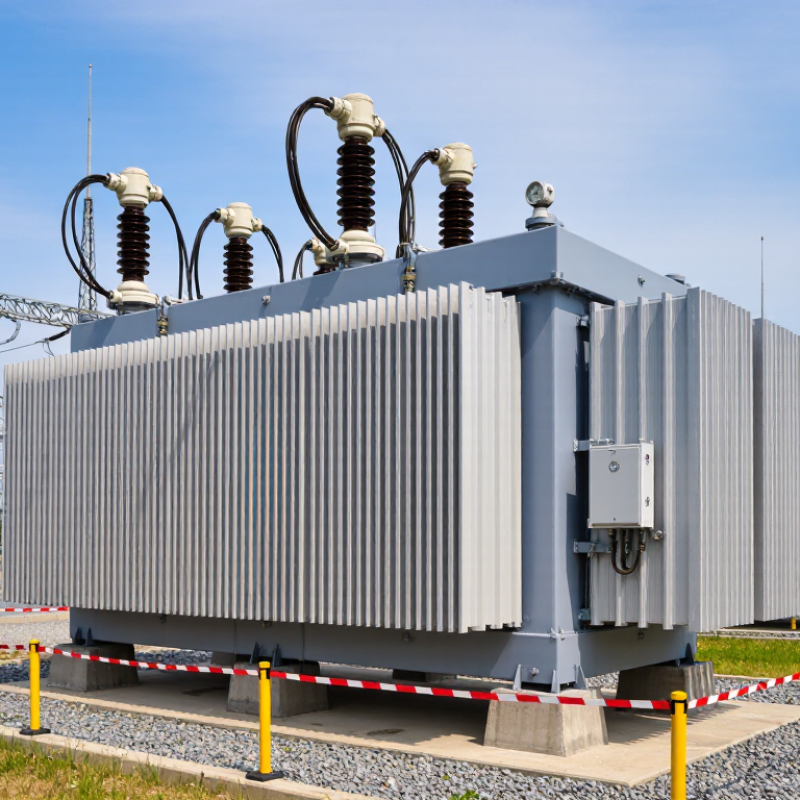
7 Tips for Choosing Oil Immersed Power Transformers

Understanding the Basic Structure of Oil-Immersed Power Transformers

Understanding the basic structure of an oil-immersed power transformer starts with its steel tank. The tank holds the active assembly: a laminated magnetic core, high- and low-voltage windings, insulation, and transformer oil. The core guides magnetic flux, while the windings transfer energy between voltage levels through electromagnetic induction. Thin paper insulation separates conductor layers and reduces the risk of internal discharge. Small details matter.

During field inspections, I look for clearances around leads, tight connections, and clean bushing surfaces. Bushings carry energized conductors through the grounded tank without allowing current to escape into the enclosure. The oil performs two jobs: insulation and heat transfer. Natural circulation moves warm oil toward radiators, where heat leaves the tank and returns cooler. Some units add fans or pumps when the load is heavy, though extra equipment creates more maintenance points. A conservator tank allows oil volume to change as temperature rises and falls. A breather helps limit moisture entering that space.

Protection devices may include a pressure-relief device, gas relay, oil-level gauge, and winding-temperature indicator. Their arrangement varies with capacity and design. That variation deserves attention. A tap changer adjusts the output voltage, but its location and operating method must match the service conditions. I would not judge a transformer by size alone; oil quality, seals, ventilation, and test records often reveal more. In practice, even a sound-looking unit can hide aged insulation. That is an uncomfortable lesson.

Assessing Voltage, Capacity, and Electrical Load Requirements

7 Tips for Choosing Oil Immersed Power Transformers

Assessing Voltage, Capacity, and Electrical Load Requirements

Choosing an oil immersed power transformer starts with measured conditions, not a guessed rating. Record the incoming voltage, phase arrangement, frequency, and available fault level. Confirm whether the transformer supplies line-to-line or line-to-neutral loads. A mismatch can damage equipment and create unsafe conditions. During a practical site assessment, compare utility data with readings taken during peak production. One reading is never enough. Voltage may sag when large motors start, even when the midday meter looks normal. Specify primary and secondary voltages clearly, including tap range and position.

Capacity should reflect the real load profile. Include motor starting current, heating equipment, lighting, controls, and future circuits. Apply a realistic diversity factor instead of adding every nameplate value. Oversizing raises costs and may reduce efficiency at light load. Undersizing causes overheating, nuisance trips, and shorter insulation life. Review kVA demand across a complete operating cycle. Welders and variable-speed drives can create frequent peaks and harmonic stress. The calculation is not glamorous. It exposes weak assumptions.

Check ambient temperature, installation altitude, ventilation, and expected overload duration. Oil temperature and enclosure clearance matter in a crowded substation. Match transformer impedance with downstream protection and motor-starting needs. Higher impedance can limit fault current, but it may worsen voltage drop. A qualified engineer should verify coordination, grounding, and applicable electrical standards. A tidy spreadsheet can still be wrong. Future expansion must appear in the load schedule, not only in informal discussions. Leave documented spare capacity where practical, without treating it as a substitute for accurate measurements.

Selecting Suitable Insulation Oil and Cooling Characteristics

Choosing insulation oil is not a paperwork exercise. It directly affects dielectric strength, heat transfer, aging, and maintenance intervals. Mineral oil remains common because it offers balanced electrical and cooling performance.

Ester fluids can provide higher fire safety and better moisture tolerance, but they may require different seals and handling procedures.

Check the oil’s breakdown voltage, water content, acidity, dissipation factor, and oxidation stability. IEC 60296 provides useful requirements for mineral insulating oils. Field sampling matters too. A sealed drum may look clean, yet moisture can enter during storage. Keep containers closed and record every test result. Small details matter.

Cooling selection Cooling selection must match the transformer’s load profile and installation environment. ONAN cooling suits many steady loads with natural oil circulation and air movement. ONAF cooling adds fans when short-term demand rises.

Measure the actual ambient temperature, not just the annual average. Dust, poor ventilation, and blocked radiators can reduce cooling capacity quickly. I have seen a technically correct design perform poorly because the room airflow was underestimated. That mistake is easy to repeat.

Temperature indicators, fan controls, and alarm settings should be tested under realistic conditions. A lower oil temperature is useful, but excessive circulation can increase maintenance complexity and operating noise. Evaluate both.

Checking Safety Features, Efficiency, and Environmental Conditions

Choosing an oil immersed power transformer requires more than comparing rated capacity and purchase price. Safety features deserve close inspection. Check pressure relief devices, oil level indicators, temperature alarms, and reliable grounding points. Inspect bushings for cracks and moisture marks. A small seal defect can become a serious failure.

Efficiency affects operating cost for many years. Review no-load and load losses under realistic conditions, not only laboratory figures. Confirm the transformer supports the site’s voltage changes and expected load pattern. Good cooling design keeps oil and windings within safe temperatures. Automatic monitoring can detect overheating early. It is useful, but not infallible.

Environmental conditions often decide whether a specification works. Consider outdoor rain, dust, salt air, altitude, and seasonal temperature changes. In humid locations, sealed construction and moisture-resistant accessories may reduce maintenance. In dusty areas, cleanable radiators matter. Ask for verified test records, service instructions, and clear maintenance intervals. Field inspections often reveal details that brochures miss. I have seen selection teams focus on efficiency while overlooking poor access for oil sampling. That mistake is easy to make. It is also expensive. A practical choice balances protection, measured performance, and the transformer’s actual surroundings.

7 Tips for Choosing Oil-Immersed Power Transformers

Compare efficiency across typical loading conditions while checking protection devices, insulation, cooling, oil quality, installation altitude, ambient temperature, and environmental exposure.

Engineering reference profile: calculated for a 1,000 kVA transformer with 1.2 kW no-load loss and 10 kW load loss at rated capacity, operating at unity power factor. Actual efficiency depends on the transformer design, tap position, power factor, cooling method, and site conditions.

Comparing Maintenance Needs, Standards, and Total Ownership Cost

7 Tips for Choosing Oil Immersed Power Transformers

Comparing Maintenance Needs, Standards, and Total Ownership Cost

Choosing an oil immersed power transformer requires more than comparing quotations. Field experience shows that maintenance access often affects costs more than the initial design. Inspect the conservator, bushings, cooling fans, oil valves, and tap changer before purchase. Small access problems can create long outages. Keep that in mind.

Oil testing should follow a defined schedule. Dissolved gas analysis, moisture checks, acidity tests, and breakdown voltage tests reveal developing faults. CIGRE Technical Brochure 642 analyzed 964 transformer failures and linked many incidents to insulation, bushings, connections, and tap changers. These findings support condition-based maintenance, not calendar-only servicing. However, test results need experienced interpretation. No single reading tells the whole story.

Check compliance with IEC 60076 or the applicable IEEE transformer standards. Confirm insulation levels, temperature rise, short-circuit strength, sound limits, and fire-safety requirements. Total ownership cost includes load losses, no-load losses, oil treatment, inspections, spare parts, and planned downtime. The U.S. Department of Energy estimated that its transformer efficiency rule could save about 3.6 quadrillion British thermal units over 30 years. That figure shows why efficiency deserves serious attention. Yet efficiency models can miss local load patterns. Measure actual demand, not just nameplate capacity. A cheaper transformer may become expensive when losses, testing, and one unexpected outage are included.

FAQS

What information should be measured before selecting an oil immersed transformer?

Record incoming voltage, phase arrangement, frequency, fault level, and load connections. One reading is not enough.

Why should voltage readings be taken during peak production?

Large motors can cause voltage sag during startup. A midday reading may look normal and still hide the problem.

How should transformer capacity be calculated?

Review the complete operating cycle. Include motors, heaters, lighting, controls, starting current, and planned future circuits.

Is choosing a larger transformer always safer?

No. Oversizing increases purchase costs and may reduce efficiency under light loads. Bigger is not automatically better.

What problems can an undersized transformer cause?

It may overheat, trip frequently, and shorten insulation life. These problems often appear during busy production periods.

Which site conditions affect transformer selection?

Consider ambient temperature, altitude, ventilation, enclosure clearance, and overload duration. Crowded substations need extra attention.

What maintenance features should be checked before purchase?

Inspect access to the conservator, bushings, cooling fans, oil valves, and tap changer. Small obstacles can extend an outage.

Which oil tests can reveal developing transformer faults?

Dissolved gas, moisture, acidity, and breakdown voltage tests provide useful evidence. No single test tells the whole story.

How should standards and protection requirements be reviewed?

Confirm insulation levels, temperature rise, sound limits, short-circuit strength, grounding, and fire-safety requirements with a qualified engineer.

How can total ownership cost be estimated realistically?

Include purchase price, load losses, no-load losses, oil treatment, inspections, spare parts, and planned downtime. A cheaper unit may cost more later.

Conclusion

Choosing the right oil immersed power transformers requires a clear understanding of their internal structure, operating requirements, and long-term performance. Start by evaluating the transformer’s voltage rating, capacity, and expected electrical load to ensure it can operate reliably without excessive heating or overload. It is also important to assess the quality and suitability of the insulation oil, along with the cooling method, because these factors directly affect insulation strength, heat dissipation, and service life.

Safety, efficiency, and installation conditions should also guide the decision. Consider protection features, energy losses, ventilation, temperature, humidity, and other environmental factors at the installation site. In addition, compare maintenance intervals, inspection requirements, applicable technical standards, and replacement-part accessibility. Finally, look beyond the initial purchase price by calculating total ownership cost, including energy consumption, servicing, downtime, and eventual disposal. A balanced evaluation will help ensure dependable operation, improved efficiency, and better value throughout the transformer’s working life.

Isla

Isla

Isla is a seasoned marketing professional with a deep-rooted expertise in the company's product offerings. With a keen eye for detail and a passion for innovation, she consistently delivers insightful and engaging content through the company's professional blog. Her articles not only showcase her......