Transformer Knowledge Base & Technical Insights — Kokila Electricals

Technical Blog

Transformer Insights & Engineering Articles

Discover technical articles, maintenance practices, and design innovations across power, distribution, furnace, and dry type transformers.

Industrial Furnace Transformer by Kokila Electricals
Industry Knowledge

Distribution & Power Transformer Solutions

Comprehensive guides on transformer selection, energy efficiency standards, and industrial grid deployment.

Electrical Distribution Transformer by Kokila Electricals
30+ Years Expertise

High Voltage & Dry Type Transformer Insights

Learn more about electrical safety, maintenance routines, and custom engineering applications.

Oil Filled Power Transformer by Kokila Electricals
0%

In today's fluctuating energy landscape, businesses must make informed decisions. One crucial choice is the type of power transformer to use. Oil filled power transformers are a popular option for various reasons. According to Dr. John Smith, an expert in electrical engineering, "Oil filled transformers ensure stable performance and enhance the reliability of power distribution."

These transformers use insulating oil for cooling and insulation. This design provides superior thermal management compared to other types. They are robust and can handle heavy loads. This reliability makes them ideal for industrial applications. However, there are challenges. The maintenance of oil filled transformers can be complex. Leaks and environmental concerns are also critical issues.

Despite these drawbacks, the benefits often outweigh the negatives. Oil filled power transformers have a proven track record. Their efficiency can lead to cost savings over time. Investing in high-quality transformers is paramount for long-term energy needs. The industry must continue to evolve while addressing the challenges ahead.
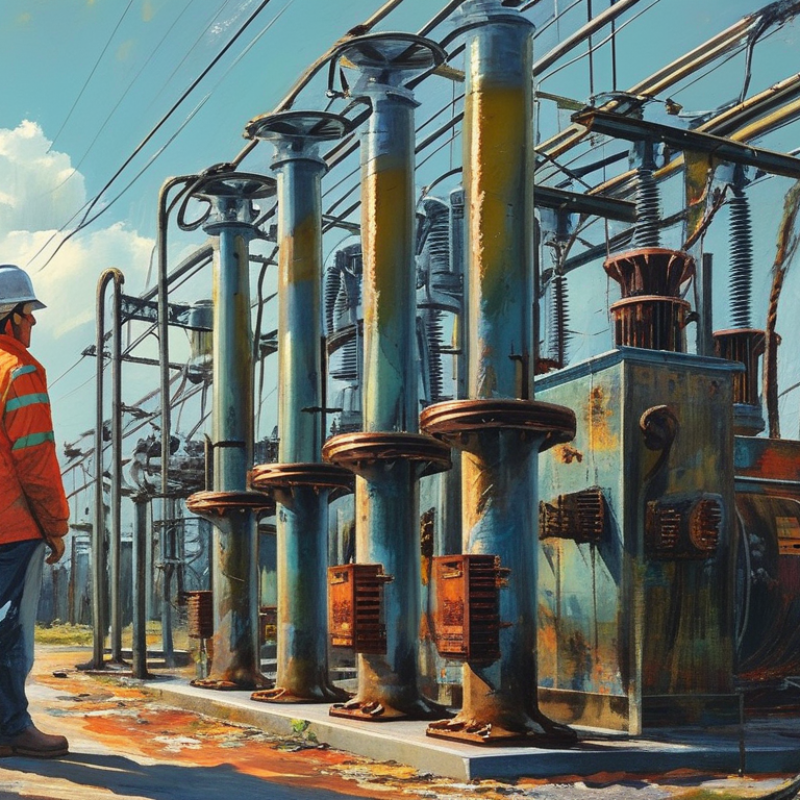
Why Choose Oil Filled Power Transformers for Your Energy Needs?

Overview of Oil Filled Power Transformers and Their Functionality

Oil filled power transformers play a crucial role in modern energy distribution. These transformers use oil as both an insulator and a coolant. This unique design allows them to effectively manage high voltage electricity. The oil helps in dissipating heat generated during operation, ensuring that the transformer functions efficiently.

The functionality of oil filled transformers is remarkable. They can withstand various weather conditions and are often used in outdoor installations. The oil not only insulates the electrical components but also protects them from moisture. However, the maintenance of these transformers can be complex. Regular monitoring of the oil quality is vital for ensuring optimal performance.

Users should also be aware of environmental considerations. While oil filled transformers are efficient, any leakage can pose environmental risks. The industry is continually addressing these challenges, striving for safer and more sustainable solutions. Balancing efficiency with environmental responsibility remains a critical focus for engineers and operators in the field.

Comparison of Oil Filled Power Transformers vs. Dry-Type Transformers

In this chart, we compare the performance metrics of Oil Filled Power Transformers and Dry-Type Transformers. Oil Filled Transformers exhibit higher efficiency and longer lifespan, while Dry-Type Transformers have higher maintenance costs and initial costs, showcasing distinct advantages for different energy needs.

Benefits of Using Oil Filled Power Transformers for Energy Distribution

Oil filled power transformers offer several key advantages for energy distribution. One primary benefit is their ability to handle higher loads with greater efficiency. According to the Energy Efficiency and Capacity Planning report by the International Energy Agency (IEA), oil transformers have a load capacity that can be up to 30% higher than dry-type transformers. This aspect is essential in meeting growing energy demands, especially in urban environments.

In addition to capacity, oil filled transformers provide superior cooling properties. This cooling effect is essential for longevity and reliability. The insulating oil not only serves as a coolant but also protects against corrosion and degradation. A study published in the Journal of Electrical Engineering highlighted that well-maintained oil transformers can last over 50 years, far surpassing the lifespan of their non-oil counterparts. This reliability translates to lower replacement costs and less downtime.

However, it is crucial to monitor the condition of the oil regularly. Contamination can lead to failures. Regular maintenance schedules are recommended to ensure optimal performance and safety. Implementing condition monitoring systems can enhance reliability and operational efficiency. Balancing the benefits with proactive maintenance can lead to substantial long-term gains for energy providers.

Comparative Analysis: Oil Filled vs. Dry-Type Transformers

Oil filled power transformers and dry-type transformers serve critical roles in energy distribution. Both have distinct advantages and limitations. When considering efficiency, oil-filled transformers generally demonstrate higher thermal conductivity. According to industry studies, they can operate at higher temperatures, allowing for greater load capacities. This translates to better performance in substations and large industrial applications.

On the other hand, dry-type transformers are often favored for environmental safety and low maintenance. They do not contain oil, reducing risks associated with leaks and fire hazards. A recent report indicated that while oil-filled transformers can last over 30 years with proper maintenance, dry-type models have a shorter lifespan of about 20 years. However, dry types have improved insulation materials that may extend their effectiveness in certain situations.

Cost analysis reveals a mixed landscape. Initial installation costs for oil-filled transformers tend to be lower than dry types. However, the maintenance and operational costs of oil-filled units can add up over time. Some users find themselves questioning if the lower initial investment in oil-filled transformers is worth it, considering potential long-term expenses. Each option requires careful evaluation in the context of the specific application and the environment in which they will be used.

Why Choose Oil Filled Power Transformers for Your Energy Needs? - Comparative Analysis: Oil Filled vs. Dry-Type Transformers
Feature Oil Filled Transformers Dry-Type Transformers
Cooling Method Oil-based cooling Air cooling
Insulation Type Liquid insulation Solid insulation
Installation Environment Outdoor Indoor
Maintenance Requirements Less frequent More frequent
Fire Risk Higher risk Lower risk
Efficiency High Moderate
Cost Higher initial cost Lower initial cost

Maintenance and Longevity of Oil Filled Power Transformers

Oil-filled power transformers have gained popularity for their impressive maintenance and longevity. Studies show that these transformers can last over 30 years with proper care. The oil used in these transformers not only serves as an insulator but also acts as a coolant. This dual function helps maintain optimal operating temperatures, reducing wear and tear on internal components.

Regular maintenance plays a crucial role in ensuring the longevity of oil-filled transformers. It is recommended to perform inspections every six months. Key areas to check include insulation health, oil quality, and potential leaks. Reports indicate that approximately 70% of transformer failures stem from poor maintenance. Addressing issues promptly can significantly extend the operational lifespan.

Despite their many advantages, challenges exist. Contamination of transformer oil can occur over time, impacting performance. Monitoring moisture levels is essential, as elevated moisture can reduce dielectric strength. Additionally, environmental factors may influence oil degradation, necessitating periodic testing. Recognizing these potential pitfalls is key to maximizing the efficiency and lifespan of oil-filled transformers.

Environmental Considerations and Safety Aspects of Oil Filled Transformers

When evaluating oil-filled power transformers, environmental considerations and safety aspects are paramount. Oil-filled transformers are generally more efficient than dry-type transformers. However, they require careful handling due to the risk of oil leaks, which can lead to soil and water contamination. According to the U.S. Environmental Protection Agency, nearly 2.2 million gallons of oil are spilled in the U.S. each year from various sources, highlighting the importance of stringent safety measures.

To mitigate environmental risks, regular maintenance is crucial. Inspections should include checking for leaks, ensuring seals are intact, and monitoring the condition of the insulating oil. Keeping transformers well-maintained not only protects the environment but also enhances operational efficiency. It's essential to note that, despite best practices, accidents can happen; therefore, having a spill response plan is vital.

For organizations looking to adopt oil-filled transformers, consider adopting best practices from industry standards. Research from IEEE indicates that proper installation can reduce failures by up to 30%. Knowing local regulations is also essential as they vary widely. Implementing a continuous training program for staff will ensure that everyone understands both the environmental and safety implications of working with these systems.

FAQS

: What is the role of oil in oil filled power transformers?

: Oil acts as both an insulator and a coolant, helping to manage high voltage electricity.

How does weather affect oil filled transformers?

They can withstand various weather conditions, making them suitable for outdoor installations.

Why is monitoring oil quality important?

Regular checks ensure optimal performance and prevent failures caused by contamination.

What are the advantages of oil filled transformers?

They handle higher loads efficiently and have superior cooling properties, enhancing reliability.

How long can oil filled transformers last?

Well-maintained models can exceed 50 years, offering lower replacement costs.

What are the downsides of oil filled transformers?

They require complex maintenance and have environmental risks if leaks occur.

How do oil filled transformers compare to dry-type transformers?

Oil types generally have better thermal conductivity but dry types offer lower risks and maintenance needs.

Are oil filled transformers cheaper initially?

Yes, but their operational and maintenance costs can add up over time, requiring careful evaluation.

What should operators focus on for oil filled transformers?

Balancing efficiency with proactive maintenance is critical for long-term gains.

Can dry-type transformers last as long as oil types?

No, they typically last about 20 years, which is shorter than well-maintained oil models.

Conclusion

Oil filled power transformers are vital for efficient energy distribution, utilizing oil for insulation and cooling. They offer multiple benefits, such as superior performance in high-load situations and better thermal management compared to dry-type transformers. This ensures reliability and efficiency in energy networks.

In terms of maintenance, oil filled power transformers generally have a longer lifespan, requiring less frequent interventions, which translates to lower operational costs. However, considerations regarding environmental impact and safety are crucial, as these transformers contain oil that must be managed responsibly. Overall, choosing oil filled power transformers can significantly enhance the efficiency and longevity of energy systems, while also addressing essential safety and environmental factors.

Sophia

Sophia

Sophia is a dedicated marketing professional with a robust expertise in the company’s product offerings. With an unwavering commitment to delivering high-quality content, she frequently updates our professional blog to share insights and updates that reflect the latest industry trends and......