Transformer Knowledge Base & Technical Insights — Kokila Electricals

Technical Blog

Transformer Insights & Engineering Articles

Discover technical articles, maintenance practices, and design innovations across power, distribution, furnace, and dry type transformers.

Industrial Furnace Transformer by Kokila Electricals
Industry Knowledge

Distribution & Power Transformer Solutions

Comprehensive guides on transformer selection, energy efficiency standards, and industrial grid deployment.

Electrical Distribution Transformer by Kokila Electricals
30+ Years Expertise

High Voltage & Dry Type Transformer Insights

Learn more about electrical safety, maintenance routines, and custom engineering applications.

Oil Filled Power Transformer by Kokila Electricals
0%

Electric arc furnace transformers sit at the center of a demanding industrial process. They convert grid power into the high-current supply needed to melt scrap steel, often through repeated heat cycles and sudden load changes. Inside a steel mill, the equipment must endure vibration, dust, intense heat, and electrical stress. Reliability is not an abstract feature. It can affect furnace uptime, product consistency, and maintenance costs.

Lord Kelvin, a foundational electrical-engineering authority, is often quoted as saying, “When you can measure what you are speaking about, and express it in numbers, you know something about it.” That principle matters when comparing electric arc furnace transformers. Buyers should look beyond nameplate ratings and examine short-circuit impedance, cooling design, tap-changer performance, protection systems, and service support. A specification sheet helps. It does not tell the whole story.

This guide surveys leading manufacturers worldwide and the capabilities they bring to demanding furnace applications. It considers engineering depth, customization, manufacturing reach, and lifecycle support—not just brand visibility. Actual performance depends on the furnace, operating profile, installation, and maintenance practices. Rankings can also shift by region and project scope; that deserves a careful look. The strongest choice is therefore not automatically the largest supplier. It is the manufacturer whose design, evidence, and local support fit the mill’s real operating conditions.
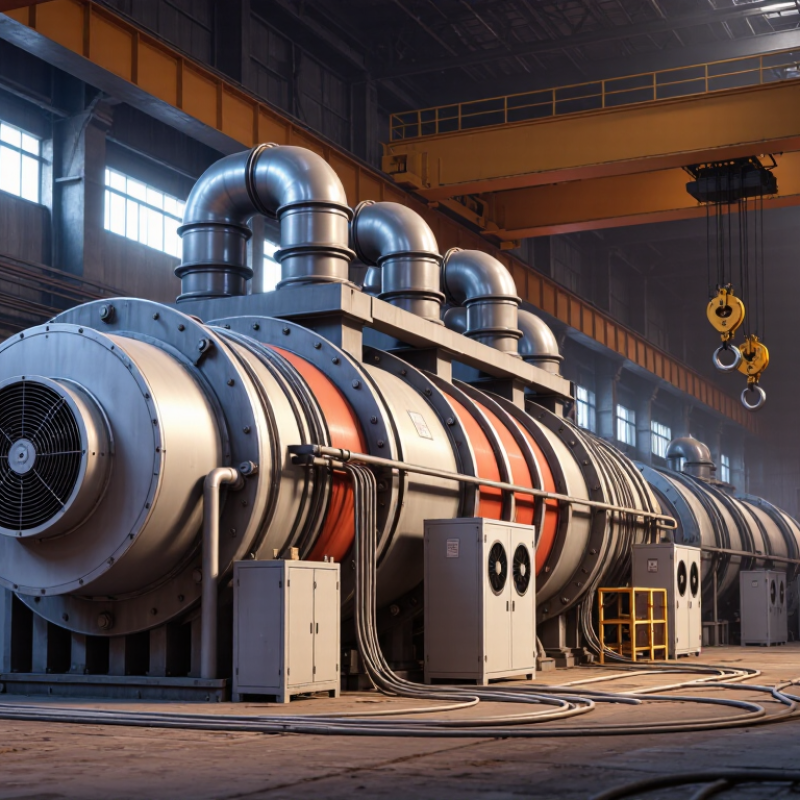
Top Electric Arc Furnace Transformer Manufacturers Worldwide

Electric Arc Furnace Transformers: Design, Duty, and Role in Steelmaking

An electric arc furnace transformer does more than step voltage down. It delivers high current to sustain arcs that melt scrap and other metallic feedstock. Its secondary circuit, insulation, cooling system, and tap-changing range must suit the furnace’s operating profile. Arc starts and scrap movement cause abrupt load changes. The transformer must handle repeated thermal and mechanical stress, not just a steady nameplate load.

World Steel Association’s World Steel in Figures 2024 reports that electric arc furnaces produced 28.6% of global crude steel in 2023, within a total of about 1.89 billion tonnes. That scale makes transformer reliability a practical production concern: interruptions can leave a heat unfinished and equipment exposed to uneven thermal cycles. The International Energy Agency’s Iron and Steel Technology Roadmap (2020) estimates that the sector produces about 2.6 gigatonnes of CO₂ annually, roughly 7% of energy-system emissions. EAFs can support lower-emissions steelmaking, though electricity sources and the metallic charge matter too.

In plant design, engineers match transformer ratings and voltage steps to furnace capacity, expected arc conditions, and duty cycle. Cooling details matter on the floor: restricted airflow or fouled radiators can erode thermal headroom. Protection settings also need coordination with furnace controls and upstream equipment. A specification may look tidy on paper; actual heats are less tidy. It is worth reviewing operating records, not relying on a standard duty assumption alone.

Electric Arc Furnace Transformer Capacity by Furnace Size

Electric arc furnace transformers are designed for high power, frequent load changes, and demanding short-circuit conditions. The ranges shown are indicative industry-level estimates, not manufacturer-specific ratings; actual selection depends on furnace design, operating practice, and the electrical network.

Typical Ratings: 20–200 MVA, Secondary Voltage, and High-Current Output

Electric-arc-furnace transformer ratings commonly range from about 20 to 200 MVA. The right capacity depends on furnace size, operating cycle, and production targets. World Steel Association’s World Steel in Figures 2024 reports that electric-arc furnaces produced about 28.6% of global crude steel in 2023. That figure describes steel production, not transformer demand. The distinction matters when using market statistics to guide equipment selection.

Many EAF designs use secondary voltages around 400–1,000 V, with exact values set by the furnace and electrode system. A three-phase 100 MVA transformer at 1,000 V delivers roughly 58 kA. Current rises fast. Engineers must also check tap range, impedance, cooling, and the short, heavy connections between transformer and furnace. IEC 60076-1 sets general power-transformer requirements, but it does not prescribe one universal EAF rating. A practical specification should therefore state voltage steps, duty cycle, and expected current—not just MVA. Real operating data can expose weak assumptions; scrap mix and furnace practice may shift the load more than an early estimate suggests.

EAF Energy Benchmark: Roughly 300–600 kWh per Tonne of Crude Steel

An electric arc furnace (EAF) may use roughly 300–600 kWh of electricity per tonne of crude steel. Treat this as a benchmark, not a plant guarantee. Actual demand shifts with scrap quality, direct-reduced iron share, furnace size, tapping temperature, and operating practice. Moist, rusty, or mixed scrap can extend melting time. Small details matter.
Check the measurement boundary: electricity used by the furnace is not always the same as total site energy. That distinction is easy to miss. There is no universal tidy figure.

For buyers comparing EAF transformer manufacturers worldwide, energy use is only one part of the specification. Ask about repeated high-current cycles, voltage variation, and short-circuit forces. Request duty-cycle data from a comparable furnace. An efficient transformer supports stable power delivery, but it cannot correct poor charge preparation or long delays between heats. Compare losses at realistic loading, not just at a headline rating. Numbers need context. Even careful estimates drift when the production mix changes, so plant data deserves regular review.

Worldwide Manufacturers: Hitachi Energy, Siemens Energy, GE Vernova, and TBEA

Electric arc furnace transformers operate under severe electrical and thermal stress. Leading manufacturers worldwide serve steelmakers with designs suited to different furnace capacities, grid conditions, and production cycles. Their engineering teams typically consider short-circuit forces, voltage regulation, cooling, and harmonic effects before recommending a configuration. Details matter.

A useful supplier comparison goes beyond nameplate ratings. Plant engineers should review impedance, secondary-voltage range, cooling arrangements, protection features, and local service capability. Ask how the transformer handles frequent furnace starts and changing electrode conditions. Those details affect reliability on the shop floor. A strong technical proposal should also explain maintenance needs and commissioning support in clear terms.

No manufacturer is a perfect fit for every steelworks. A design proven at one plant may perform differently under another site’s grid strength, dust levels, or ambient heat. That part is easy to underestimate. Buyers can request relevant operating references and clarify how performance data was measured. Still, supplier comparisons are not always neat: specifications may use different assumptions, and service response times can depend on location. Reviewing these points with the plant’s electrical and maintenance teams helps expose gaps before purchase.

Supplier Comparison: Impedance, Cooling, Tap Changers, and Global Service

Comparing electric arc furnace transformer suppliers starts with impedance, not headline capacity. Impedance affects arc stability, short-circuit current, and how the furnace responds during rapid operating changes. Ask for guaranteed values at the stated rating, plus tolerances and test documentation. A small mismatch can become noticeable as unstable arcs or extra stress on connected equipment.

Cooling choices must fit the site. Oil-directed, forced-air systems may suit one duty cycle; oil-water cooling can help where space is tight, but adds water-system checks. Look closely at temperature-rise limits, cooling redundancy, alarms, and maintenance access. Details matter. A specification sheet rarely shows how easily crews can reach filters or inspect pumps.

Tap-changer design deserves equal scrutiny. Confirm whether the operating profile calls for on-load adjustment, and ask about switching duty, transition limits, and service intervals. Some comparisons overlook furnace-specific cycling; that can make a lower purchase price less meaningful.

Global service also varies. Check commissioning support, local spare-parts availability, response times, and access to technicians across time zones. A paper comparison can still mislead, so request references for installations with similar furnace duty and utility conditions. Even then, site conditions differ.

FAQS

What does an electric arc furnace transformer do?

It lowers voltage and supplies the high current needed to sustain furnace arcs. Those arcs melt scrap and other metallic feedstock.

Why must the transformer handle changing loads?

Arc starts and shifting scrap create sudden load changes. The transformer also faces repeated heat and mechanical stress. Steady nameplate ratings do not tell the whole story.

Which details matter when matching a transformer to a furnace?

Engineers consider furnace capacity, voltage steps, expected arc conditions, and duty cycle. They should also check impedance and the secondary-voltage range.

Why is impedance important?

Impedance affects arc stability and short-circuit current. Ask for guaranteed values, tolerances, and test records. Small differences can matter.

What should plant teams check in the cooling system?

Review temperature limits, alarms, cooling redundancy, and maintenance access. Restricted airflow or dirty radiators can reduce thermal headroom. Details matter.

What should buyers ask about tap changers?

Confirm whether the operating profile needs on-load adjustment. Ask about switching duty, transition limits, and service intervals. The right choice depends on actual furnace cycling.

How can a buyer compare suppliers fairly?

Compare technical assumptions, protection features, commissioning support, and maintenance needs. Check local spare parts and technician response times. A neat spreadsheet can still mislead.

Why review operating records and site references?

A design that works at one plant may behave differently under another grid, ambient heat, or dust level. Request references for similar furnace duty. Site conditions differ.

Can electric arc furnaces reduce steelmaking emissions?

They can support lower-emissions production, but the electricity source and metallic charge also matter. The transformer alone cannot settle the question.

Conclusion

Electric arc furnace transformers are purpose-built for the demanding, rapidly changing loads of steelmaking. They convert incoming power into the low-voltage, high-current supply needed to melt and refine steel, while their design accounts for electrical stress, frequent operating cycles, and the need for reliable temperature control. Typical units range from about 20 to 200 MVA, with secondary voltage and current capacity selected to suit the furnace and production process. Electric arc furnace energy use is often benchmarked at roughly 300–600 kWh per tonne of crude steel, though actual consumption depends on operating conditions and plant configuration.

When assessing a supplier, steelmakers can compare transformer impedance, cooling arrangements, tap-changer design, and the availability of commissioning, maintenance, and service support across regions. These factors influence how well a unit responds to changing furnace conditions and how reliably it can support production over time. Matching the transformer to the furnace’s electrical demands and the plant’s operating priorities is central to a sound purchasing decision.

Isla

Isla

Isla is a seasoned marketing professional with a deep-rooted expertise in the company's product offerings. With a keen eye for detail and a passion for innovation, she consistently delivers insightful and engaging content through the company's professional blog. Her articles not only showcase her......