Transformer Knowledge Base & Technical Insights — Kokila Electricals
Transformer Insights & Engineering Articles
Discover technical articles, maintenance practices, and design innovations across power, distribution, furnace, and dry type transformers.
Distribution & Power Transformer Solutions
Comprehensive guides on transformer selection, energy efficiency standards, and industrial grid deployment.
High Voltage & Dry Type Transformer Insights
Learn more about electrical safety, maintenance routines, and custom engineering applications.
Top 10 Industrial Furnace Transformers for Global Buyers?
Table of Contents
- Top Specifications to Consider in Industrial Furnace Transformers
- Market Analysis: Leading Manufacturers of Industrial Furnace Transformers
- Understanding the Efficiency Ratings of Industrial Furnace Transformers
- Key Applications of Industrial Furnace Transformers in Manufacturing
- Emerging Technologies in Industrial Furnace Transformer Design and Functionality
- FAQS
- Conclusion
- Related Posts
As industries evolve, the demand for effective and reliable industrial furnace transformers continues to grow. According to Dr. Emily Carter, a leading expert in electrical engineering, "The right transformer can significantly enhance the efficiency of industrial processes." Understanding this, global buyers must explore the top options available in the market.
Industrial furnace transformers are crucial for ensuring optimal performance in high-temperature applications. They convert electricity into the required voltage levels for industrial furnaces, affecting energy consumption and productivity. In recent years, the market has seen innovations that enhance energy efficiency, but not all transformers are created equal. Buyers should consider specifications, durability, and efficiency ratings when making choices.
While examining various industrial furnace transformers, some options may appear superior on paper but fall short in real-world applications. It’s vital to evaluate not just the technical data but also the reputation of manufacturers. Engaging with experts and reading user reviews can provide valuable insights. After all, investing in the right transformer is pivotal for achieving high-performance standards in industrial settings.
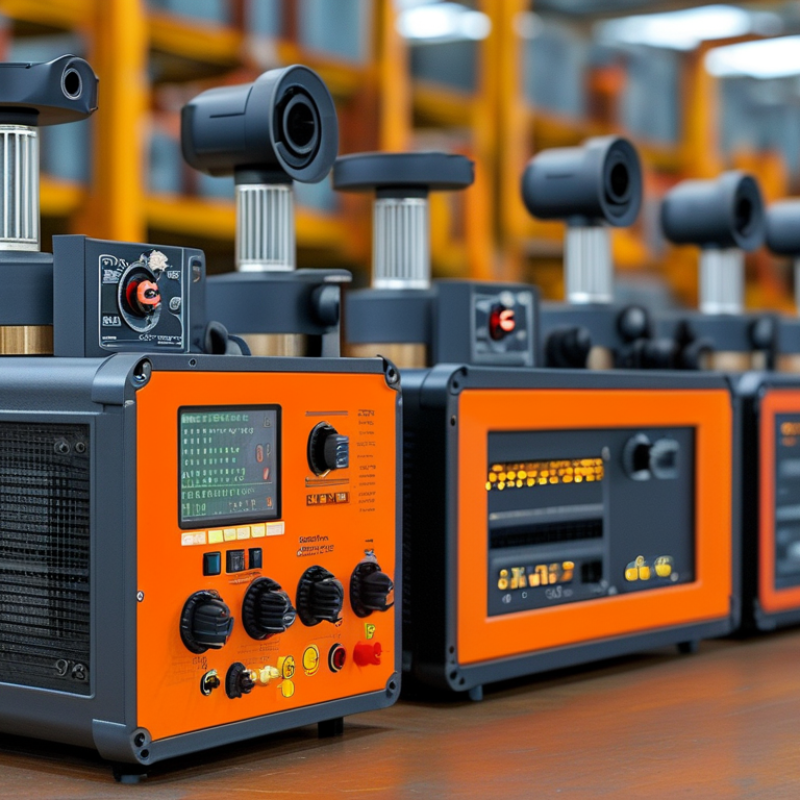
Top Specifications to Consider in Industrial Furnace Transformers
When selecting industrial furnace transformers, several key specifications are critical for optimal performance. Power rating stands at the forefront. Transformers typically operate between 10 kVA to over 1000 kVA, depending on the application. Choosing the right power rating ensures that the transformer can handle the load efficiently. Overloading can lead to overheating and potential failures.
Temperature regulation is another critical aspect. Many transformers feature advanced cooling systems. These systems can be air-cooled or oil-cooled. Efficient cooling extends the life of the transformer. A study from the International Energy Agency indicates that well-cooled transformers can improve energy efficiency by up to 15%. This efficiency translates into significant cost savings over time.
Material quality is often overlooked, yet it is essential for durability. High-quality cores and windings significantly reduce energy losses. For instance, using copper windings instead of aluminum can enhance conductivity and lower failure rates. According to industry studies, transformers with superior materials can exhibit a lifespan increase of about 30%. Ensuring these specifications meet industry standards is crucial for reliability in demanding environments.
Market Analysis: Leading Manufacturers of Industrial Furnace Transformers
In the realm of industrial furnace transformers, manufacturers play a crucial role. Their expertise shapes product quality and innovation. Key players invest in cutting-edge technology, enhancing efficiency and reliability. A strong manufacturing foundation gives buyers confidence in performance.
One area of concern is the evolving regulatory landscape. Companies must adapt to meet stricter standards. This can complicate procurement for global buyers. Awareness of compliance issues is essential when selecting a partner. Not all manufacturers provide transparent information about their practices.
Buyers should examine manufacturers’ track records. An established history often indicates reliability. Look for certifications that reflect commitment to quality. Engage with manufacturers to understand their capabilities. Assessing the technical support they offer can be beneficial too.
Environmental sustainability is another growing focus. Manufacturers are increasingly prioritizing eco-friendly processes. Consider how this aligns with your corporate values. Buyers can drive demand for responsible manufacturing practices.
Understanding the Efficiency Ratings of Industrial Furnace Transformers
Efficiency ratings of industrial furnace transformers play a crucial role in energy management. These ratings determine how effectively a transformer converts electrical energy into usable energy for industrial processes. A high efficiency rating often translates to lower operational costs and reduced energy waste.
Understanding these ratings is essential for buyers. Different factors influence efficiency, such as load conditions and design. An ideal transformer should maintain high performance across varying loads, yet many struggle to achieve this. Evaluating transformers based on their efficiency helps in selecting the right one for industrial applications.
Moreover, users must consider environmental impacts. High-efficiency transformers reduce carbon footprints, benefiting the planet. However, not all manufacturers prioritize sustainability. This reality prompts buyers to research and choose wisely. Selecting a transformer with robust efficiency ratings is a step toward operational excellence.
Key Applications of Industrial Furnace Transformers in Manufacturing
Industrial furnace transformers play a crucial role in various manufacturing sectors. Their primary function is to convert electrical energy into high-temperature heat. This process is essential in industries like metal forging, glass production, and ceramics. The ability to maintain high temperatures consistently allows manufacturers to improve production efficiency and product quality.
One important application is in induction heating systems. This technique is widely used for melting metals. It provides precise control over temperature and allows for rapid heating. Another significant application is in heat treatment processes, where metals undergo specific thermal cycles to enhance their properties. Such precision helps achieve desired hardness and durability.
When selecting an industrial furnace transformer, consider the power rating carefully. Ensure it aligns with your specific heating needs. Also, pay attention to the installation environment. Adequate cooling and ventilation are vital for optimal performance. Always inspect the equipment for maintenance, as neglect can lead to inefficiencies. Understanding these factors can help prevent costly downtimes and improve operational reliability.
Emerging Technologies in Industrial Furnace Transformer Design and Functionality
Emerging technologies in industrial furnace transformer design are reshaping the landscape of manufacturing. New materials, such as advanced alloys, increase efficiency and durability. These innovations lead to lighter transformers that withstand high temperatures without significant loss of performance. Such advancements allow for more compact installations, saving valuable space in production facilities.
In recent years, smart technology has been integrated into transformer designs. This progress enables real-time monitoring of transformer performance. Sensors can detect overheating or malfunctions, alerting operators before issues escalate. Implementing these systems reduces downtime and maintenance costs.
Consider the importance of regular maintenance. Routine inspections can catch potential problems early. Engineers also recommend updated training for staff to familiarize them with new technologies.
Staying informed about industry trends is crucial. Engaging with professional networks can provide insights into best practices. Global buyers benefit from understanding these emerging technologies firsthand. Adapting to these changes ensures competitiveness in an evolving market.
Top 10 Industrial Furnace Transformers for Global Buyers
| Transformer Type | Voltage Rating (kV) | Power Capacity (MVA) | Cooling Method | Efficiency (%) | Application Area |
|---|---|---|---|---|---|
| Oil-Immersed Transformer | 20 | 50 | Natural Circulation | 98.5 | Metal Processing |
| Dry Type Transformer | 15 | 30 | Air-Cooled | 97.0 | Glass Manufacturing |
| Cast Resin Transformer | 10 | 20 | Natural Air | 96.5 | Ceramics |
| Portable Transformer | 12 | 15 | Forced Air | 95.0 | Batch Processing |
| Multi-Phase Transformer | 25 | 60 | Water-Cooled | 99.0 | Steel Production |
| High Voltage Transformer | 35 | 75 | Oil-Cooled | 98.8 | Foundries |
| Integrated Transformer | 18 | 40 | Air-Cooled | 97.5 | Aluminum Production |
| Special Purpose Transformer | 30 | 80 | Hybrid Cooling | 99.5 | Specialized Applications |
| Injection Transformer | 22 | 55 | Liquid-Cooled | 98.2 | Plastics Processing |
| Constant Voltage Transformer | 16 | 35 | Air-Cooled | 96.0 | Chemical Industry |
FAQS
: Efficiency ratings show how well a transformer converts electrical energy into usable energy. Higher ratings mean lower energy waste.
They help buyers choose the right transformer for industrial processes, reducing operational costs and energy waste.
Factors include load conditions and design. An ideal transformer performs well across varying loads, but many fail to do so.
They reduce carbon footprints, which benefits the planet, but not all manufacturers focus on sustainability.
These transformers are crucial in metal forging, glass production, and ceramics, converting energy into high-temperature heat.
Induction heating melts metals precisely. It requires reliable transformers to maintain temperature control during the process.
Consider the power rating to match heating needs and ensure proper installation for optimal performance.
Regular maintenance prevents inefficiencies and costly downtimes, ensuring reliable operation in manufacturing processes.
Yes, efficiency ratings can differ based on design and load conditions. Not all transformers meet ideal performance standards.
Insufficient cooling can lead to decreased performance and efficiency. This oversight might result in operational issues.
Conclusion
Industrial furnace transformers play a crucial role in the manufacturing sector, particularly in processes that require high temperatures for metal and material processing. When selecting industrial furnace transformers, it is essential to consider key specifications such as power ratings, efficiency ratings, and cooling methods, as these factors directly influence operational performance.
Market analysis indicates a broad range of leading manufacturers specializing in innovative designs and functionalities of these transformers, catering to the evolving needs of the industry. Furthermore, understanding the efficiency ratings is vital for optimizing energy consumption and reducing operational costs. As technology advances, emerging trends in the design and functionality of industrial furnace transformers are shaping their applications, ensuring enhanced performance in demanding manufacturing environments.

Blog Tags: