Transformer Knowledge Base & Technical Insights — Kokila Electricals

Technical Blog

Transformer Insights & Engineering Articles

Discover technical articles, maintenance practices, and design innovations across power, distribution, furnace, and dry type transformers.

Industrial Furnace Transformer by Kokila Electricals
Industry Knowledge

Distribution & Power Transformer Solutions

Comprehensive guides on transformer selection, energy efficiency standards, and industrial grid deployment.

Electrical Distribution Transformer by Kokila Electricals
30+ Years Expertise

High Voltage & Dry Type Transformer Insights

Learn more about electrical safety, maintenance routines, and custom engineering applications.

Oil Filled Power Transformer by Kokila Electricals
0%

China has become a major sourcing market for substation power transformers, serving utilities, renewable projects, factories, and infrastructure developers. Its manufacturers offer equipment across medium- and high-voltage applications, with designs tailored to regional grid conditions. However, supplier selection requires more than comparing quoted prices.

A dependable review should examine transformer capacity, voltage ratio, impedance, insulation level, cooling method, tap-changer design, and enclosure quality. Factory experience matters. So does evidence from operating substations. Ask for type-test reports, routine-test records, quality certificates, and clear manufacturing schedules. Independent inspection can also verify winding workmanship, oil leakage protection, and final assembly details.

Field service is equally important. A transformer may perform well in a factory test, yet installation mistakes can create costly delays. Reliable suppliers provide drawings, commissioning guidance, spare parts, and responsive technical support. Check whether engineers can support site testing and emergency troubleshooting.

No supplier is perfect. Published specifications rarely reveal every maintenance challenge. Some online rankings may also reflect marketing rather than verified performance. A careful buyer should compare several China-based manufacturers using the same technical checklist. Review reference projects, warranty terms, delivery history, and communication quality. Small details matter, such as packing against moisture, shock records during transport, and the clarity of inspection documents.

This guide introduces leading suppliers of substation power transformers and explains how to assess their technical capability, reliability, compliance, and long-term service value. The final choice should match the project’s grid conditions, risk tolerance, budget, and future expansion plans. Performance comes first. Price still matters.
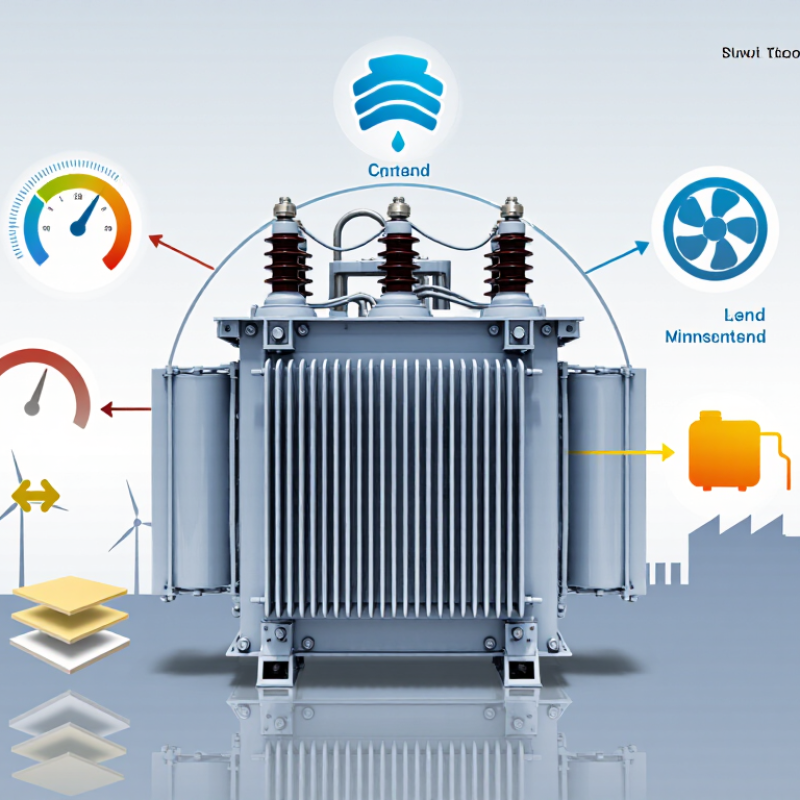
China Top Substation Power Transformer Suppliers?

What Is a Substation Power Transformer?

A substation power transformer is a static electrical machine that changes voltage between transmission and distribution networks. It usually receives high-voltage electricity and lowers it for safer regional delivery. Some units also increase voltage for efficient transmission. The transformer uses electromagnetic induction, not mechanical movement, to transfer energy between windings. A steel core guides magnetic flux, while copper or aluminum windings carry current. Insulating oil may cool the windings and prevent electrical breakdown. Large outdoor units often include radiators, conservators, bushings, and monitoring devices.

In field inspections, technicians check oil temperature, winding temperature, noise, leaks, and bushing condition. A sudden humming change can indicate loose parts or magnetic stress. Before energizing, engineers review insulation resistance, winding resistance, ratio, and protection settings. Surge arresters help limit damage from lightning and switching events. Differential protection can disconnect the transformer during serious internal faults. These details matter because a small oil leak may become a major reliability problem.

The correct transformer depends on load demand, voltage class, climate, fault levels, and future expansion. Ambient heat affects cooling performance, especially in crowded substations. Maintenance schedules should follow measured condition, not habit alone. No design is perfect. Field data can challenge the original assumptions. Engineers should document those surprises and adjust inspection plans accordingly. A well-managed unit can serve for decades, but age does not replace testing.

How China’s Substation Transformer Supply Industry Is Organized

China Top Substation Power Transformer Suppliers?

China’s substation transformer supply industry is organized as a layered network, not a single factory market. Large manufacturers often manage design, core cutting, winding, assembly, and routine testing internally. Smaller specialists supply bushings, cooling systems, monitoring devices, or steel tanks. This structure can shorten procurement cycles. It can also create coordination risks. One missing interface may delay energization.

Procurement usually begins with a utility specification, load profile, voltage level, and installation environment. Engineering, procurement, and construction contractors then compare factories by rated capacity, test records, delivery history, and service coverage. Serious buyers inspect winding rooms, drying ovens, oil processing areas, and calibration certificates. Factory cleanliness matters. For a 110 kV transformer, moisture control and insulation testing deserve careful attention.

Export orders add another layer. Suppliers must prepare drawings, inspection plans, packing records, and compliant technical documents. Local service partners may support installation, oil testing, and fault analysis after delivery. Not every low quotation is efficient. I have seen projects lose time because drawings changed repeatedly or spare parts were poorly identified. The industry is capable, but not flawless. Buyers should question assumptions, verify production evidence, and keep technical decisions traceable.

What Capabilities Define a Reliable Chinese Supplier?

China Top Substation Power Transformer Suppliers: What Capabilities Define a Reliable Chinese Supplier?

A reliable Chinese supplier should prove capability beyond a competitive quotation. The IEA’s Electricity Grids and Secure Energy Transitions report estimates that annual grid investment must exceed 600 billion US dollars by 2030. This pressure makes dependable transformer delivery more important than low pricing. Ask for IEC 60076 test records, verified factory capacity, and traceable material certificates. Technical teams should review core steel quality, winding design, cooling systems, insulation levels, and short-circuit strength. A serious supplier can explain each value clearly. Vague answers are warning signs.

Factory control matters. Check whether the supplier uses calibrated test equipment and documented inspection points. Request routine, type, and special test procedures before production begins. Important evidence includes temperature-rise results, partial-discharge data, load-loss measurements, and oil quality reports. The IEA’s Electricity 2024 report expects global electricity demand to grow by about 3.4% annually from 2024 to 2026. More demand means substations may face heavier and less predictable operating conditions. Suppliers should therefore offer realistic overload guidance, spare-part planning, and remote technical support. Delivery promises alone are not enough.

Tips: Compare total lifecycle cost, not only the purchase price. Visit the factory if possible. Confirm after-sales response times in writing. Ask for references from similar voltage projects, but verify them independently. A polished brochure can still hide weak field support. No supplier is perfect. I would also examine small details, such as packing protection, oil-leak prevention, and the clarity of English manuals. These details often reveal whether engineering discipline continues after the sale.

China Top Substation Power Transformer Suppliers: Capability Reference by Voltage Class

A reliable Chinese supplier should demonstrate engineering, insulation coordination, manufacturing, and testing capabilities suitable for the required grid voltage class. The reference values below pair common IEC high-voltage equipment classes with representative lightning impulse withstand levels used in power transformer insulation design. Actual ratings must be confirmed against the project specification and IEC 60076 requirements.

Which Standards and Specifications Should Buyers Check?

When comparing China’s top substation power transformer suppliers, buyers should begin with applicable standards, not catalog claims. IEC 60076 is widely used for power transformers, while IEEE C57.12.00 may apply to North American projects. Confirm the required standard with the utility and local authority. Regional grid codes can override a familiar specification.

Check rated power, primary and secondary voltage, frequency, vector group, impedance, and tap-changer range. These details affect parallel operation and voltage stability. Specify insulation levels, including lightning impulse and power-frequency withstand ratings. For outdoor units, verify enclosure protection, corrosion treatment, oil containment, and bushing clearances. Small omissions become expensive at the site.

Ask for routine, type, and special test records. Key evidence includes winding resistance, ratio accuracy, insulation tests, temperature-rise results, partial discharge, losses, and short-circuit withstand data. Factory acceptance testing should use calibrated instruments and agreed procedures. Review material traceability for cores, windings, bushings, and insulating oil. I have seen projects focus on purchase price while missing transport limits and lifting points. That was not a minor oversight. Confirm dimensions, weight, noise limits, cooling method, ambient temperature, altitude, and fire requirements before approval. Some specifications still copy old values without checking the actual network. Reconsider them.

How to Evaluate, Select, and Manage a Chinese Supplier

China Top Substation Power Transformer Suppliers?

How to Evaluate, Select, and Manage a Chinese Supplier

Choosing a Chinese power transformer supplier requires more than comparing factory prices. Request verified production records, recent project references, and clear technical drawings. Check whether the factory controls winding, drying, oil filling, and final assembly internally. During an audit, inspect coil insulation, storage conditions, lifting equipment, and testing instruments. Small details matter. Ask for calibration certificates and traceability records for steel, copper, bushings, and insulating oil.

Match the transformer design with your grid conditions, load profile, altitude, temperature, and protection system. Confirm compliance with the required IEC or national standards. Review routine, type, and special test reports carefully. Independent inspectors should witness factory acceptance tests when the project is critical. Pay attention to partial discharge, temperature rise, impedance, noise, and oil leakage results. A polished report cannot replace a controlled test.

Supplier management continues after contract signing. Use an approved drawing schedule, milestone payments, inspection points, and documented change control. Define delivery packaging, spare parts, warranty response, and technical support before production begins. Keep communication precise, especially for tap changers and protection accessories. Translation errors can become expensive. I would not rely on promises alone. One overlooked interface detail can delay commissioning for weeks. No checklist is perfect. Recheck assumptions with the site team, the utility, and an independent engineer before shipment. Performance data should be reviewed again after installation and initial energization.

China Top Substation Power Transformer Suppliers? - How to Evaluate, Select, and Manage a Chinese Supplier

Evaluation Dimension What to Check Practical Benchmark or Requirement Recommended Evidence Suggested Weight Supplier Score
Technical Compliance Conformance with applicable power-transformer standards, drawings, specifications, and grid-connection requirements. The technical offer should clearly identify the applicable edition of IEC 60076 or the equivalent national standard, together with all deviations. Clause-by-clause compliance matrix, approved datasheet, outline drawing, and deviation list. 15% __/10
Rated Capacity and Voltage Rated power, primary and secondary voltage, frequency, vector group, tap range, insulation level, and short-circuit withstand capability. All nameplate values must match the project single-line diagram and utility requirements; typical systems use 50 Hz or 60 Hz depending on the destination market. Guaranteed technical parameters, nameplate draft, winding diagram, and system study data. 10% __/10
Losses and Efficiency No-load loss, load loss, auxiliary consumption, impedance tolerance, and the method used for loss measurement. Loss guarantees should be stated at defined reference conditions, including rated voltage, rated frequency, temperature, and tap position. Loss calculation, guaranteed-loss schedule, calorimetric or electrical test method, and financial loss evaluation. 10% __/10
Insulation and Dielectric Performance Lightning impulse withstand, power-frequency withstand, partial discharge, clearances, creepage distances, and insulation coordination. The specified withstand levels must be consistent with the system voltage, installation altitude, pollution level, and applicable insulation-coordination rules. Routine and type-test reports, insulation-coordination calculation, and partial-discharge results where applicable. 10% __/10
Manufacturing Capability Core and winding production, vacuum drying, oil filling, tank fabrication, welding, painting, and final assembly controls. The factory should have documented process controls for moisture removal, winding tension, clamping pressure, welding inspection, and cleanliness. Factory audit report, process flow chart, equipment list, calibration records, and production photographs or video evidence. 10% __/10
Quality Management Document control, incoming inspection, nonconformance handling, corrective action, traceability, and final inspection. A valid quality-management certificate should be verified against the certification body, scope, site address, and validity period. Quality certificate, inspection and test plan, nonconformance log, corrective-action records, and material traceability documents. 10% __/10
Testing and Witness Inspection Routine tests, type tests, special tests, customer witness points, test-instrument calibration, and report completeness. Routine testing should be completed for every unit; type or special tests should be available when required by the specification or risk profile. Factory acceptance test procedure, signed test reports, calibration certificates, and witness-inspection schedule. 10% __/10
Reliability and Service History Comparable operating references, failure history, warranty claims, service response, and installed-base experience. Request references for projects with comparable voltage class, capacity, cooling method, climate, and transportation distance. Redacted reference list, customer acceptance records, warranty statistics, and independently verifiable project contacts. 10% __/10
Delivery and Logistics Design lead time, production schedule, port or site delivery plan, packing, lifting points, transport limitations, and customs documents. The delivery plan should include engineering approval, material procurement, manufacturing, testing, packing, shipping, and contingency time. Project schedule, critical-path plan, packing specification, dimensional drawings, and shipping-document checklist. 8% __/10
Commercial Transparency Equipment price, testing, accessories, spare parts, engineering, packing, freight assumptions, taxes, payment terms, and price validity. Compare quotations on the same technical basis and separate one-time costs from recurring or optional costs. Line-item quotation, commercial deviation list, payment schedule, validity period, and total-cost-of-ownership model. 5% __/10
Warranty and After-Sales Support Warranty duration, defect notification procedure, spare-parts availability, remote support, site service, and response time. The contract should define warranty start date, remedy obligations, response times, exclusions, and responsibility for replacement or repair costs. Warranty terms, service-level agreement, spare-parts list, escalation procedure, and local-service arrangements. 7% __/10
Environmental and Safety Performance Oil containment, fire protection, noise, temperature rise, environmental conditions, hazardous-material handling, and worker safety. The design should address site altitude, ambient temperature, humidity, seismic conditions, pollution, noise limits, and applicable environmental regulations. Environmental declaration, safety data sheets, noise test results, oil-containment design, and site-condition confirmation. 5% __/10
Scoring method: rate each dimension from 0 to 10, multiply the score by the suggested weight, and compare suppliers only after confirming that all mandatory technical and regulatory requirements are satisfied.

FAQS

What does a substation power transformer do?

It changes voltage between transmission and distribution networks. Most units lower high voltage for regional delivery. Some units raise voltage. No mechanical movement is involved.

How does a transformer transfer electrical energy?

Electromagnetic induction transfers energy between windings. A steel core guides magnetic flux. Copper or aluminum windings carry current. Insulating oil may cool them.

Which parts are commonly found on outdoor transformers?

Large outdoor units may include radiators, conservators, bushings, and monitoring devices. Oil containment is also important. Small details matter.

What should technicians inspect in the field?

They check oil temperature, winding temperature, noise, leaks, and bushing condition. A sudden humming change may indicate loose parts or magnetic stress. A small oil leak can become a serious reliability problem.

What tests should be completed before energizing?

Engineers should review insulation resistance, winding resistance, voltage ratio, and protection settings. Surge arresters help limit lightning and switching damage. Differential protection can disconnect the unit during serious internal faults.

How should buyers choose the correct transformer?

Consider load demand, voltage class, climate, fault levels, and future expansion. Ambient heat can reduce cooling performance in crowded substations. The original design assumptions may be wrong.

Which specifications should buyers confirm before approval?

Confirm rated power, voltage, frequency, vector group, impedance, and tap-changer range. Also check insulation levels, cooling method, noise limits, altitude, and fire requirements. Missing one value can create site problems.

What factory evidence should buyers request?

Request routine, type, and special test records. Important results include ratio accuracy, temperature rise, losses, insulation performance, and short-circuit withstand data. Use calibrated instruments and agreed procedures.

Why should transport and material traceability be reviewed?

Confirm dimensions, weight, lifting points, and transport limits before approval. Review traceability for cores, windings, bushings, and insulating oil. Purchase price alone is not enough.

Conclusion

This guide explains what substation power transformers do and why they are essential for stepping voltage up or down, improving transmission efficiency, and supporting stable power distribution. It also describes how China’s supply industry is organized, including manufacturers, engineering companies, component providers, testing organizations, and export service partners. Buyers will learn which capabilities matter most, such as design expertise, production capacity, quality control, testing facilities, customization, delivery management, and after-sales support.

The article also outlines the standards and specifications that should be reviewed before purchasing, including voltage and capacity ratings, cooling methods, insulation levels, efficiency, noise limits, safety requirements, and applicable international or national standards. Finally, it presents a practical process for evaluating and managing a Chinese supplier: defining technical requirements, checking qualifications and factory capabilities, reviewing test reports and references, comparing quotations, clarifying contracts and inspections, and maintaining effective communication throughout production, shipment, installation, and service.

Sophia

Sophia

Sophia is a dedicated marketing professional with a robust expertise in the company’s product offerings. With an unwavering commitment to delivering high-quality content, she frequently updates our professional blog to share insights and updates that reflect the latest industry trends and......